Platforms & Systems
- Big Tech Platforms
- Enterprise Software
- AI & Automation
- GovTech & Civic Tech
- SaaS & APIs
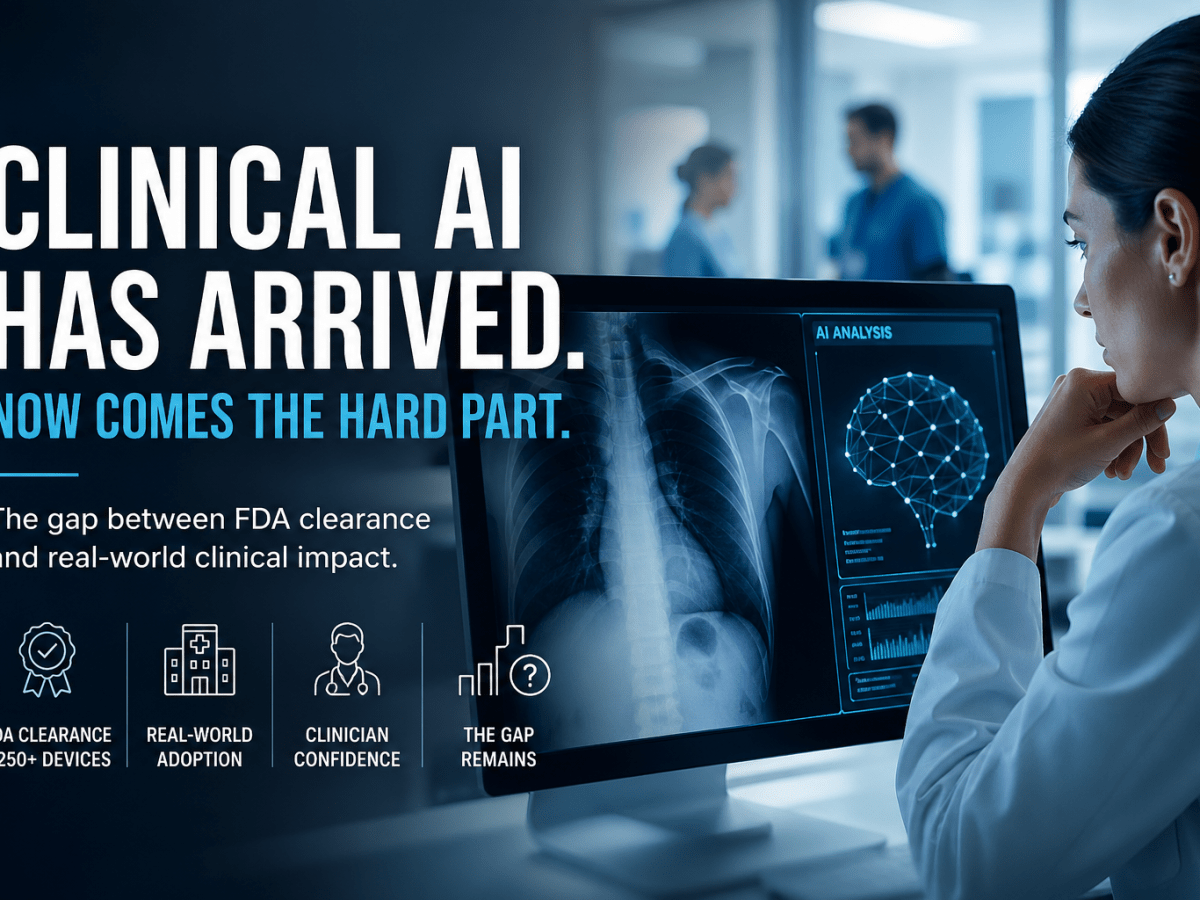
Clinical AI Has Arrived. Now Comes the Hard Part.
By mid-2025, the FDA authorized over 1,250 AI-enabled medical devices, yet there remains a significant gap between clearance and real clinical application. While AI excels in image analysis and documentation automation, clinical decision support adoption lags due to low clinician confidence. Regulatory changes are emerging, but challenges in deployment and governance persist across healthcare systems.

Why Government Agencies Keep Failing at ITSM Implementation
The recurring failures in federal IT Service Management (ITSM) implementations stem from agencies misunderstanding what they need, mismanaging processes, and neglecting platform ownership post-deployment. Successful outcomes require pre-award engagement, standardized workflows, dedicated administration, and robust change management to ensure that technology enhances operations rather than perpetuating dysfunction.
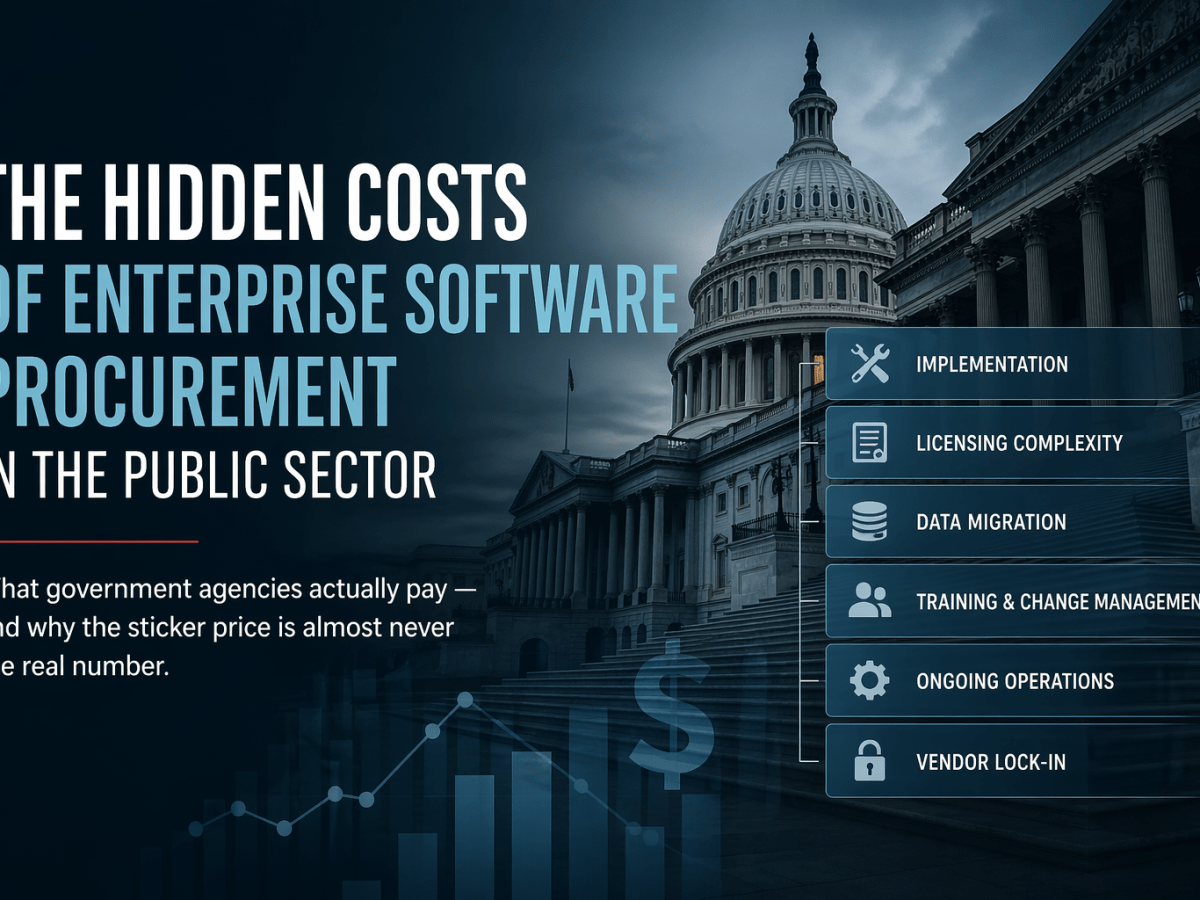
The Hidden Costs of Enterprise Software Procurement in the Public Sector
Government agencies often underestimate the total costs of enterprise software due to hidden expenses not included in contracts. These include implementation, licensing complexity, data migration, training, ongoing administration, and vendor lock-in. Addressing these costs requires a comprehensive approach to procurement, focusing on total ownership rather than just upfront prices to avoid future financial waste.
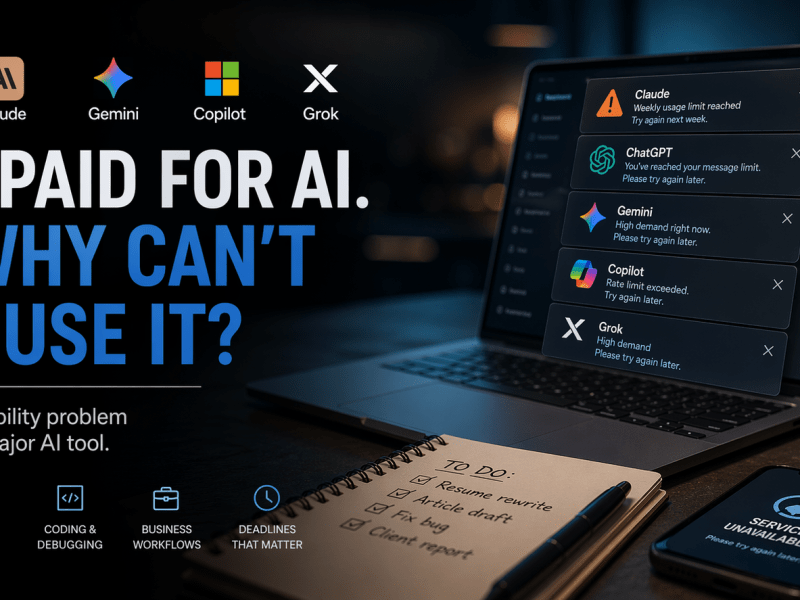
You Paid for AI. So, Why Can’t You Use It?
Emerging patterns across major AI platforms show users frequently face disruptions during critical tasks like resume writing and coding due to usage limits and system slowdowns. Users expect reliable access but instead encounter inconsistent availability, revealing a gap between marketed productivity and actual performance under pressure, compromising workflow continuity.
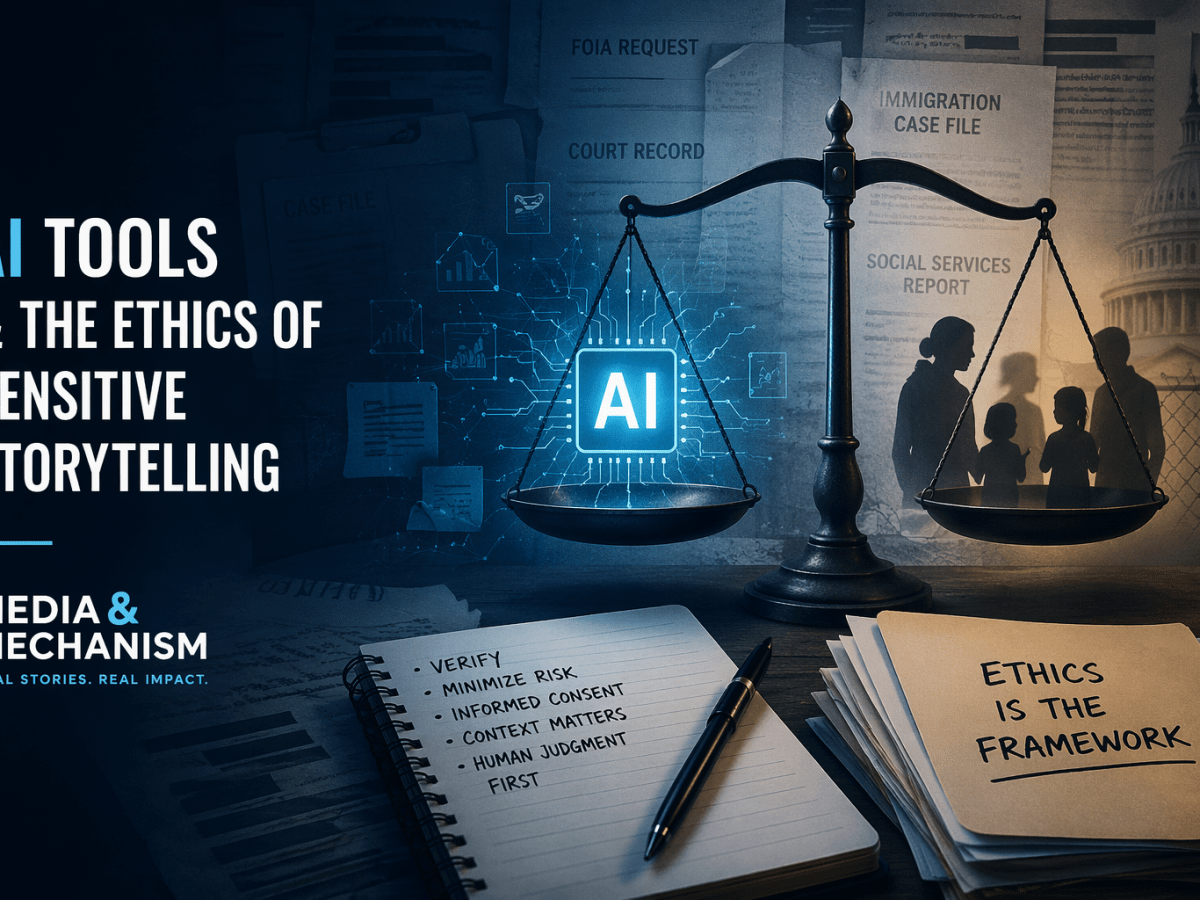
AI Tools and the Ethics of Sensitive Storytelling
AI tools can enhance investigative research through document analysis and pattern recognition, but they pose serious risks when used with vulnerable populations. This article argues for careful application of AI, emphasizing data privacy, consent, and the importance of human judgment in sensitive research to avoid potential harm.
AI can’t save you from a disorganized system
Companies are investing in AI tools to enhance productivity, but many face disappointing results. The issue often lies not in the technology but in the organizations’ unstructured information and workflows. Successful adoption requires prioritizing clear documentation and standardized processes, as these foundational elements critically influence AI performance.

Seeing Beneath the Surface: New 3D Color Imaging Breakthrough Could Transform Medical Diagnostics
Scientists have developed a groundbreaking imaging technique that enables three-dimensional, full-color visualization of the human body, enhancing medical diagnostics and surgery. This technology captures depth and color data, offering insights into tissue composition and disease. With potential applications in cancer detection and surgical planning, it promises improved healthcare outcomes and efficiency.
AI Models Are Getting Better — Quietly Reshaping Power, Productivity, and Accountability
The evolving landscape of artificial intelligence is marked by improved core models that emphasize reliability and efficiency over hype. As these models enhance productivity without replacing human roles, businesses are increasingly able to integrate AI into existing workflows. This shift signifies a critical moment in AI’s impact on the economy and competitiveness.

Musk’s Power Stack: Why the SpaceX–xAI Merger Raises Real Tech Governance Questions
Elon Musk plans to merge SpaceX with his AI venture, xAI, enhancing vertical integration across aerospace and artificial intelligence. While this could boost American competitiveness, it raises significant concerns about accountability, national security, and regulatory challenges. Policymakers must ensure that innovation does not lead to unregulated power concentration in technology sectors.

AI Models Are Getting Better — Quietly Reshaping Power, Productivity, and Accountability
AI is evolving from impressive but inconsistent models to more reliable systems that enhance productivity across various sectors. This shift emphasizes operational excellence over flashy demonstrations. Companies must adopt AI responsibly while ensuring accountability. As AI becomes more reliable and integrated, its impact on productivity and competitiveness will grow, reshaping business landscapes.
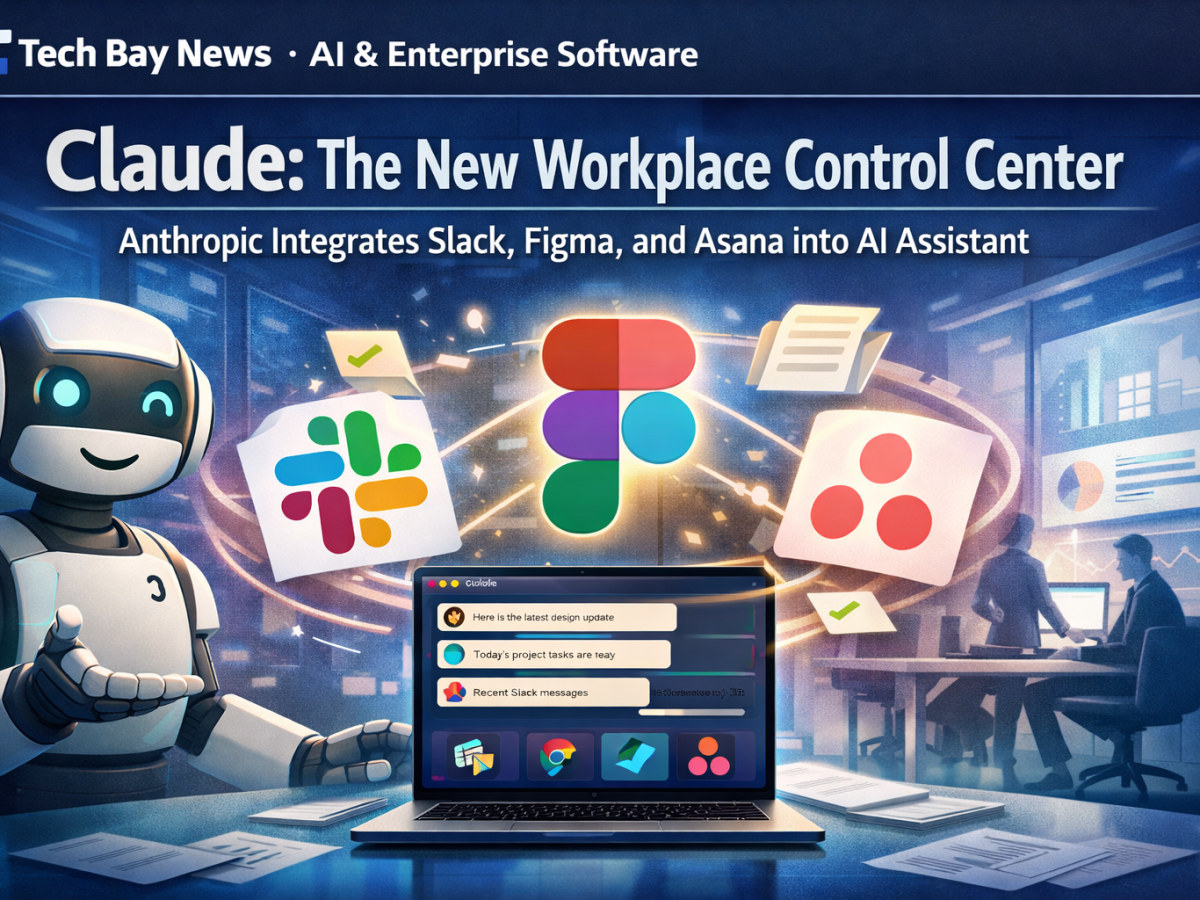
Anthropic Embeds Slack, Figma, and Asana Into Claude—Turning AI Chat Into a Workplace Control Center
Anthropic is transitioning its AI, Claude, into a central work interface by integrating it with major platforms like Slack, Figma, and Asana. This shift reflects a focus on AI as operational infrastructure rather than novelty tools, emphasizing trust and integration in enterprise workflows, raising significant questions about data governance and control in organizations.

France Pushes Sweeping Social Media Ban for Children, Reigniting Global Tech Debate
France is proposing strict regulations to limit children’s access to social media, requiring parental consent for platforms like TikTok and Instagram. Supporters view this as essential for child protection, while critics warn it risks government overreach and surveillance. This move signals a shift in how democracies may confront Big Tech’s influence on youth.

Apple Watch A-Fib Study Shows Consumer Tech Can Strengthen—Not Replace—Standard Care
A recent study shows that using the Apple Watch for atrial fibrillation monitoring matches traditional care in effectiveness while enhancing early detection rates. This suggests that consumer technology can improve health outcomes without increasing bureaucracy. It advocates for patient empowerment and continuous monitoring as alternatives to current healthcare systems, fostering innovation and better care.

Musk Promises “Robots for All”—and Predicts AI Will Surpass Humanity Within Five Years
Elon Musk says humanoid robots will soon be everywhere—and that artificial intelligence could surpass all of humanity within five years. Whether it’s a breakthrough moment or a warning sign, the pace of change is accelerating faster than policymakers are ready for.
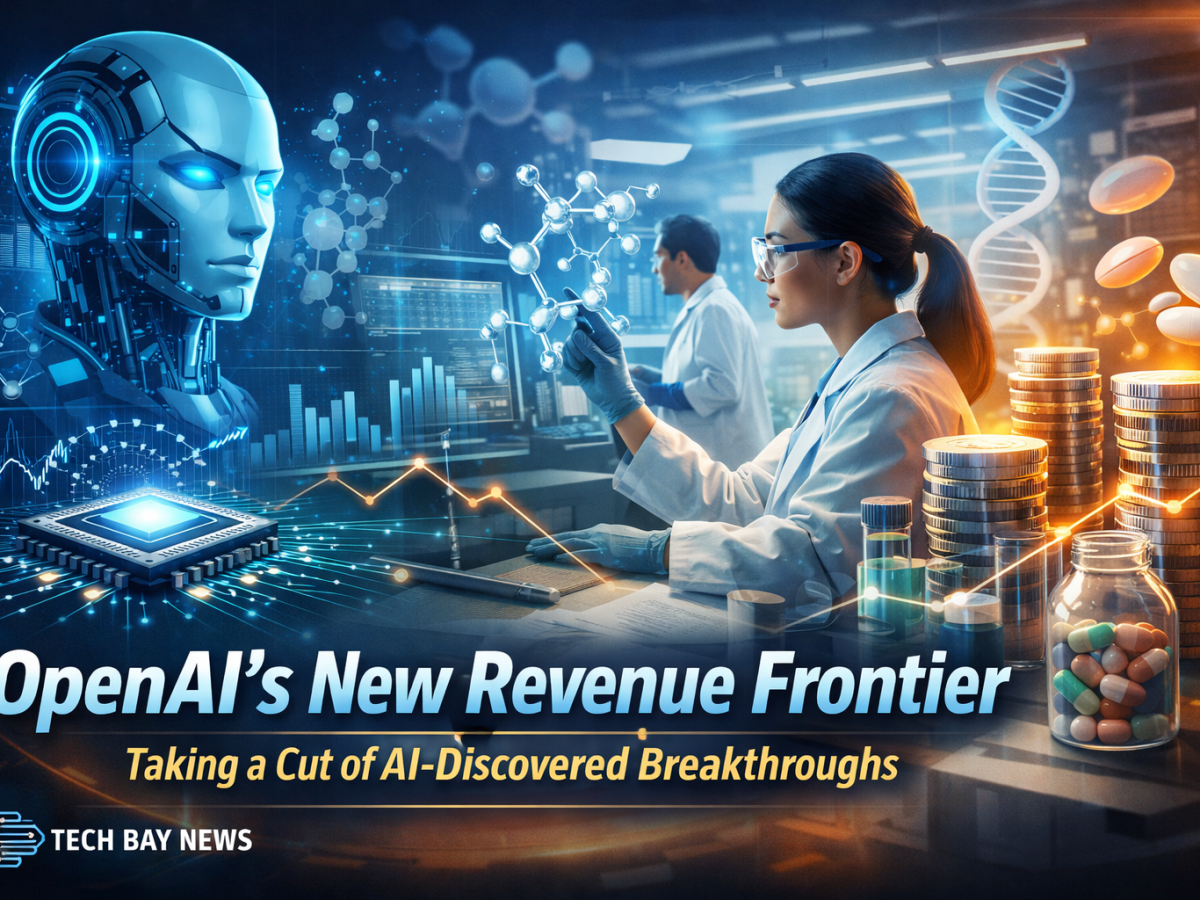
OpenAI’s New Revenue Frontier: Taking a Cut of AI-Discovered Breakthroughs
OpenAI is considering a revenue-sharing model, seeking a percentage of profits from AI-assisted discoveries, particularly in high-value sectors like drug discovery. This shift raises important questions about ownership, governance, and the role of AI providers. As they evolve from tool providers to stakeholders, implications for competition and ethics must be addressed.

The AI Application Arms Race Is Breaking the Job Market
The online job market in 2026 has become disordered due to rampant AI automation, resulting in a flood of identical applications that overwhelm employers. This “AI Doom Loop” filters out genuine candidates while benefiting platform vendors. Job seekers are advised to prioritize direct applications and networking as automated systems thrive on volume, not quality.

Product Review: Google NotebookLM
NotebookLM is Google’s AI research assistant designed to help users synthesize information from provided sources, rather than generate new content. It excels in source-bounded reasoning and organizing meaning from dense material, making it useful for researchers and analysts. However, it requires quality input and thoughtful prompts, limiting its collaborative potential.
Faith-Based Apps and the Tech Gatekeepers: The TruPlay Dispute Raises New Questions About Platform Neutrality
TruPlay, a Christian family entertainment app, claims to face unfair treatment by Google and TikTok, highlighting concerns over major platforms’ neutrality and content moderation policies. Critics argue these platforms favor controversial content over faith-based viewpoints, raising questions about their role as cultural gatekeepers and the impact on market access for niche platforms.

AI as Accommodation in the Courtroom: Why Self-Represented Litigants Need It MostBy Tech Bay News Staff
Artificial intelligence is increasingly vital for self-represented litigants and those facing legal complexities, acting as an accessibility tool rather than a procedural threat. Courts often inadequately assist these individuals, leading to a two-tier system. Embracing AI can modernize justice, improving access and support for disadvantaged parties in legal proceedings.
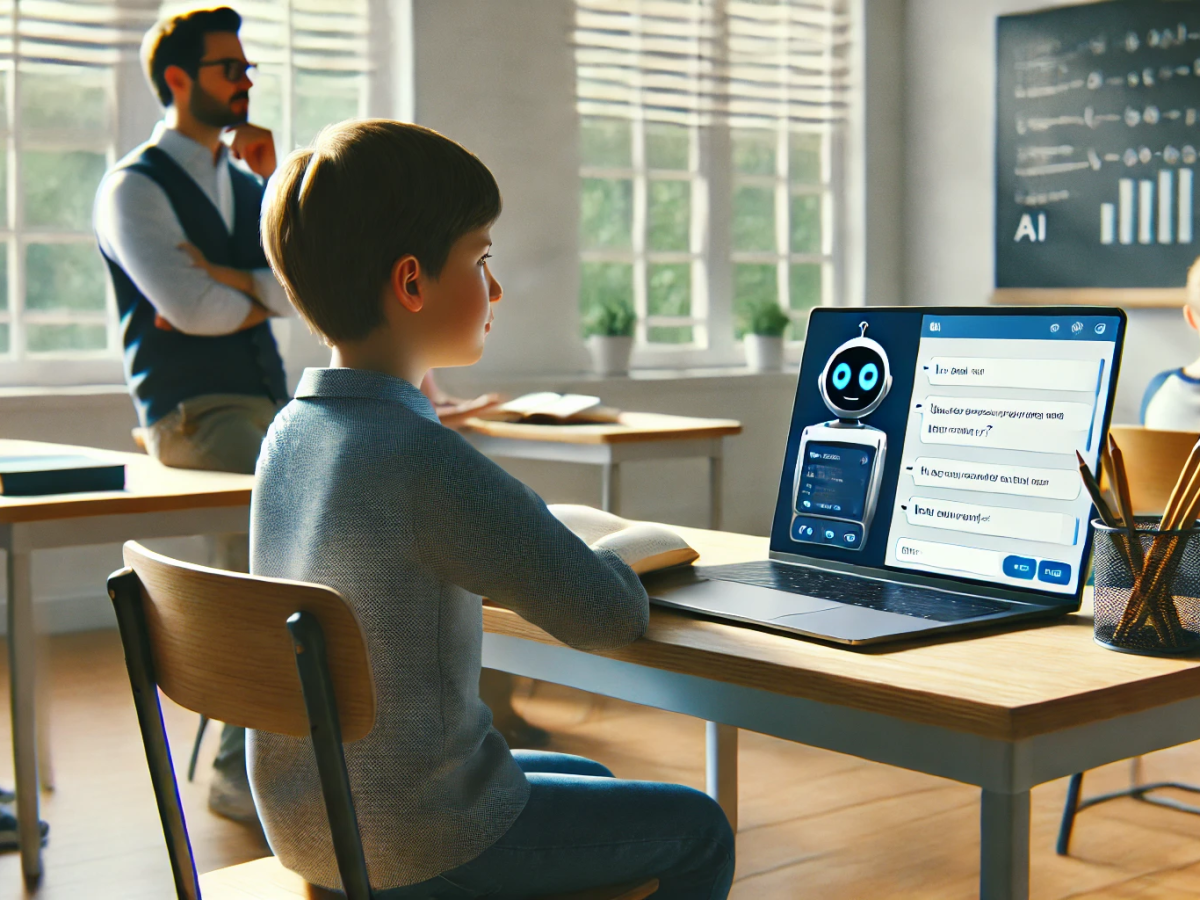
AI as Accommodation: Why Higher Education Is Missing the PointBy Tech Bay News Staff
As colleges grapple with AI in classrooms, many argue that viewing it solely as a cheating threat overlooks its potential as an essential accessibility tool for students with disabilities. AI can effectively replace traditional accommodations, promoting inclusivity. Higher education policies must evolve to recognize AI’s role in enhancing learning and equity.

AI Is Taking the Phone at Pizza Shops — and Customers Are Not Always Happy
Small pizzerias and local restaurants in New England are increasingly adopting AI technology to handle customer calls and orders due to labor shortages and cost-cutting measures. While AI offers operational benefits and accuracy in processing orders, many customers express frustration over the lack of personal interaction and difficulties in resolving errors, leading to mixed reviews…
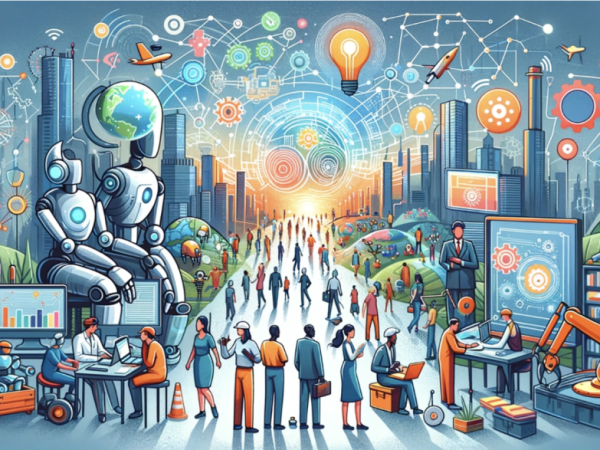
The Era of “Learn Once, Work Forever” Is Over — and AI Is the Reason
The traditional career model of education followed by steady employment is now considered outdated due to rapid advancements in artificial intelligence. Experts argue that workers must adapt by embracing lifelong learning and focusing on irreplaceable human skills. Companies are restructuring their workforce to integrate AI, emphasizing creativity and judgment over fixed knowledge.

AI Leaves the Sandbox: Symbolic.ai’s News Corp Deal Signals a New Phase for Digital Journalism
Artificial intelligence is increasingly integrating into journalism, as demonstrated by Symbolic.ai’s partnership with News Corp, announced on January 15, 2026. This collaboration aims to enhance newsroom efficiency, especially within Dow Jones Newswires, emphasizing accuracy and human oversight. The shift marks a turning point where AI supports, rather than replaces, journalistic tasks.

New Mexico’s AI Safety Push Highlights Growing Tech Regulation Divide
New Mexico lawmakers have proposed legislation to regulate high-risk uses of artificial intelligence in crucial areas like employment and health care, aiming to enhance transparency and prevent bias. This move reflects a national trend towards proactive regulation amid concerns about rapid AI deployment. Critics warn that such state-level regulations could stifle innovation.

Wikipedia Turns 25 — and Strikes Major AI Deals With Big Tech
On January 15, 2026, Wikipedia celebrated its 25th anniversary by announcing AI-focused partnerships with major tech companies, including Microsoft and Amazon. These agreements aim to provide structured access to Wikipedia for AI developers while addressing rising infrastructure costs. The core experience remains free for users, marking a shift toward monetization and sustainability in the AI…
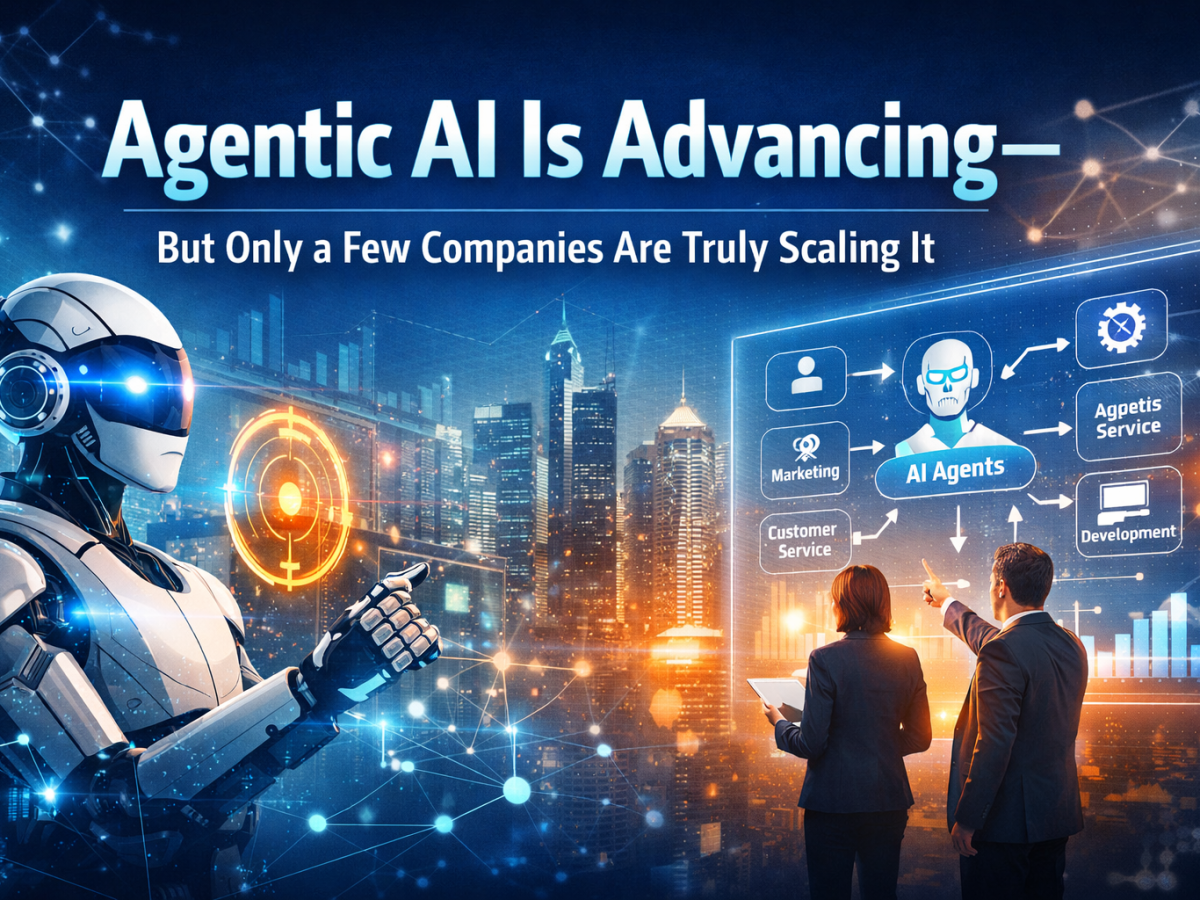
Agentic AI Is Advancing — But Only a Few Companies Are Truly Scaling It
Agentic AI, which can plan and execute tasks with minimal human input, is gaining traction but faces slow adoption by enterprises, according to McKinsey’s survey. While 88% of organizations use AI, only a third have scaled it. Success hinges on redesigning workflows rather than merely automating existing processes.

CES 2026: AI, Robotics, and Radical New Gadgets Steal the Show in Las Vegas
CES 2026 showcased a transformative era for AI in consumer technology, spotlighting major innovations such as Boston Dynamics’ advanced Atlas robot, Samsung’s Galaxy Z TriFold, and Lego’s interactive smart bricks. The event highlighted AI’s integration into robotics and devices, pointing to a future where applied AI is foundational in everyday tech.
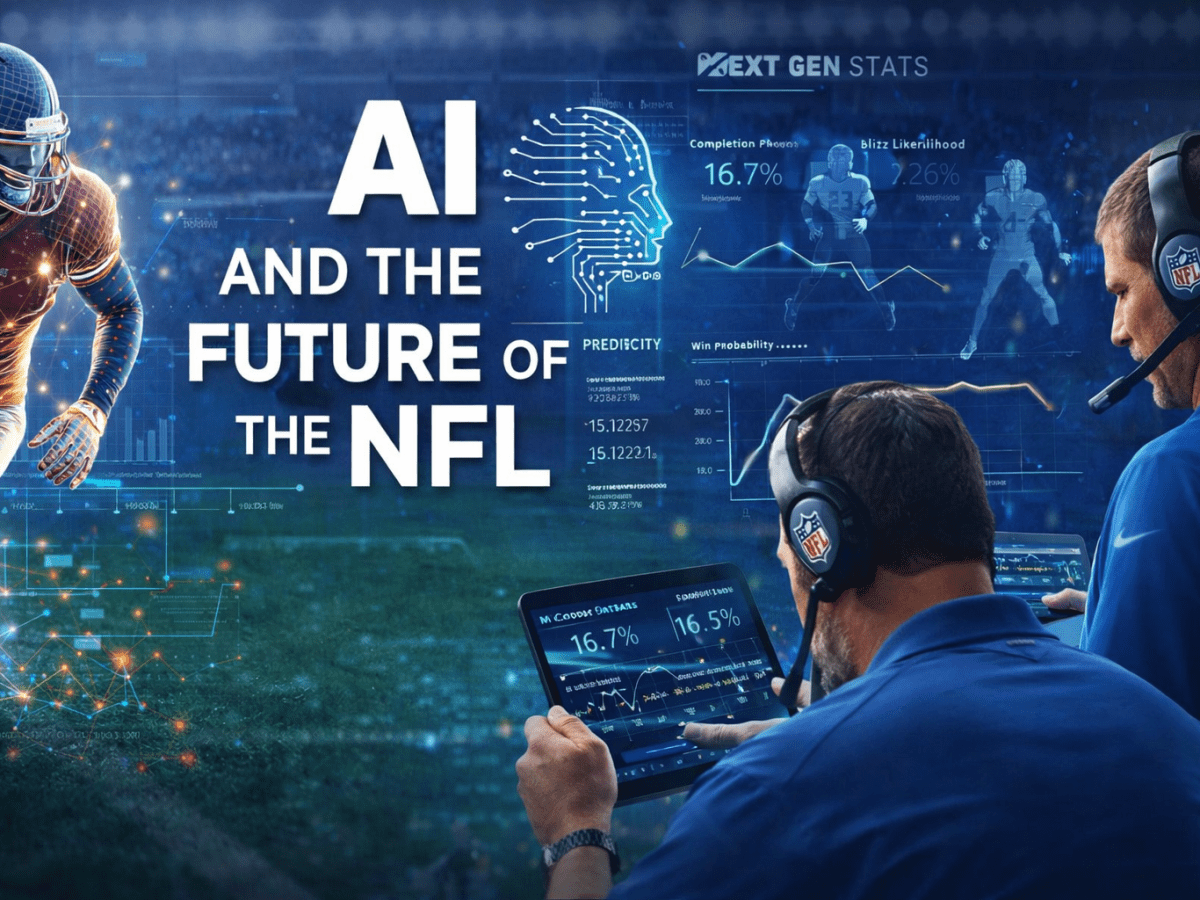
AI Is Quietly Reshaping the NFL — From Player Safety to Play Calling
The NFL is integrating artificial intelligence comprehensively by 2026, enhancing player safety, coaching, broadcasting, and officiating. Key initiatives include the Digital Athlete for injury prevention and advanced analytics from Next Gen Stats. AI augments human decision-making, aiming to improve efficiency and safety while keeping creative judgment in human hands.

Meta Goes Nuclear: Big Tech’s AI Boom Sparks a New Atomic Age
Meta Platforms announced significant nuclear power agreements to support its AI infrastructure, particularly the Prometheus AI supercluster in Ohio. By securing up to 6.6 gigawatts of carbon-free electricity, Meta aims to meet the growing energy demands of AI while stabilizing regional grids and reinforcing its position in the AI arms race.
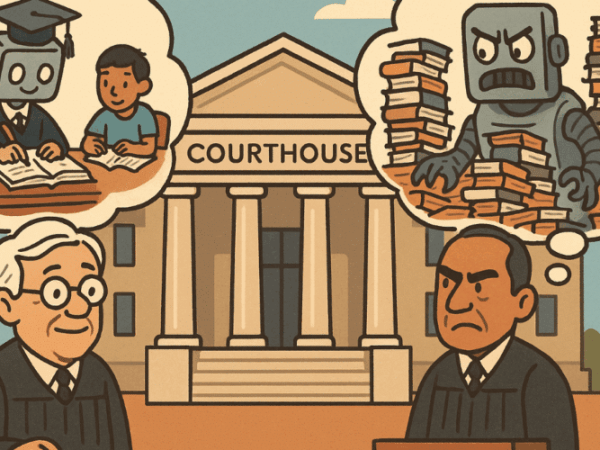
AI Copyright Battles Enter a Pivotal Year as U.S. Courts Weigh Fair Use
The legal battle over AI and copyright is intensifying as U.S. courts prepare for key rulings in 2026. Central to the debate is whether copyrighted works can be used for AI training under fair use or if firms must license content. Outcomes will impact AI’s innovation pace and creative industries’ economics.

