Defense & Strategic Tech
- Cybersecurity
- Defense Contractors
- Space & Aerospace
- Dual-Use Technologies
- AI & Warfare

The Pentagon Just Requested $1.5 Trillion. The Fight Over Golden Dome’s Most Ambitious Layer Is Just Beginning.
The Pentagon’s FY2027 budget proposal includes a historic $1.5 trillion, with significant allocations for missile defense and space-based interceptors under the Golden Dome program. While funding is substantial, costs and feasibility pose challenges, prompting debate on whether such interceptors will be developed amid growing adversary capabilities and budget scrutiny.


Musk’s Power Stack: Why the SpaceX–xAI Merger Raises Real Tech Governance Questions
Elon Musk plans to merge SpaceX with his AI venture, xAI, enhancing vertical integration across aerospace and artificial intelligence. While this could boost American competitiveness, it raises significant concerns about accountability, national security, and regulatory challenges. Policymakers must ensure that innovation does not lead to unregulated power concentration in technology sectors.

Pentagon Expands Computer Warfare Capabilities as Digital Battlefields Grow
The Pentagon is intensifying its focus on computer warfare, viewing it as a crucial frontline capability for modern defense. This shift highlights the importance of cyber operations in disrupting adversaries without traditional conflict. However, the expansion of cyber warfare presents risks such as uncontrollable malware and unclear rules of engagement, necessitating careful oversight.
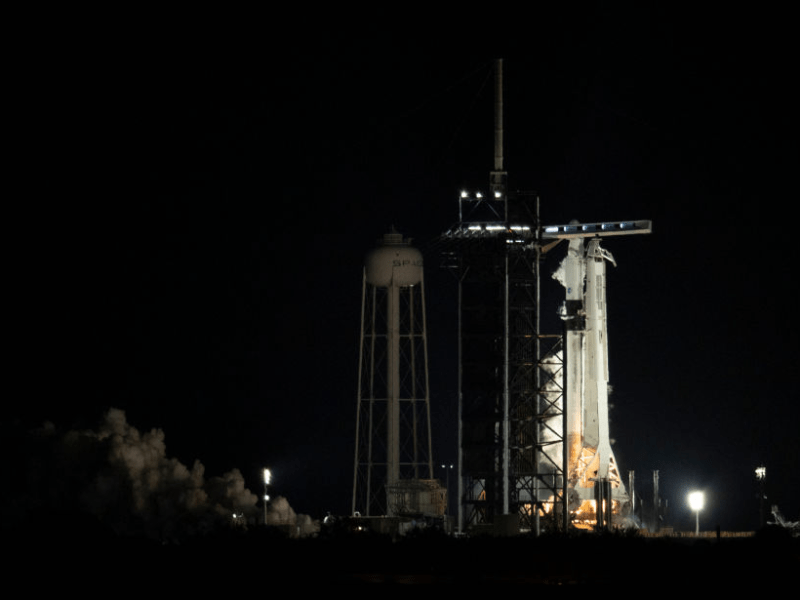
SpaceX Launches GPS III SV09 for U.S. Space Force, Underscoring Public-Private Momentum in National Security Space
SpaceX successfully launched the GPS III SV09 satellite for the U.S. Space Force, enhancing the modernized GPS constellation crucial for both civilian and military applications. This launch highlights the benefits of private-sector efficiency in national security, promising improved accuracy and resilience while showcasing U.S. capabilities in space infrastructure and defense.

NIST Review Raises Red Flags About the Future of the CVE and NVD Systems
A recent internal review by NIST has revealed that the federal infrastructure for tracking software vulnerabilities is increasingly overwhelmed and unable to keep pace with modern cybersecurity threats. Staffing shortages and process bottlenecks lead to a backlog of vulnerabilities. The findings raise significant concerns for enterprises relying on timely vulnerability analysis for risk management.

Navy Expands 3D Printing to Frontline Fleet Operations in 2025
The U.S. Navy plans to implement shipboard 3D printing in frontline fleet operations by 2025 to enhance readiness and reduce logistics dependence. This initiative allows sailors to produce essential parts rapidly onboard, improving operational efficiency and resilience against supply chain disruptions. It emphasizes modernization through proven technology while training personnel for effective usage.
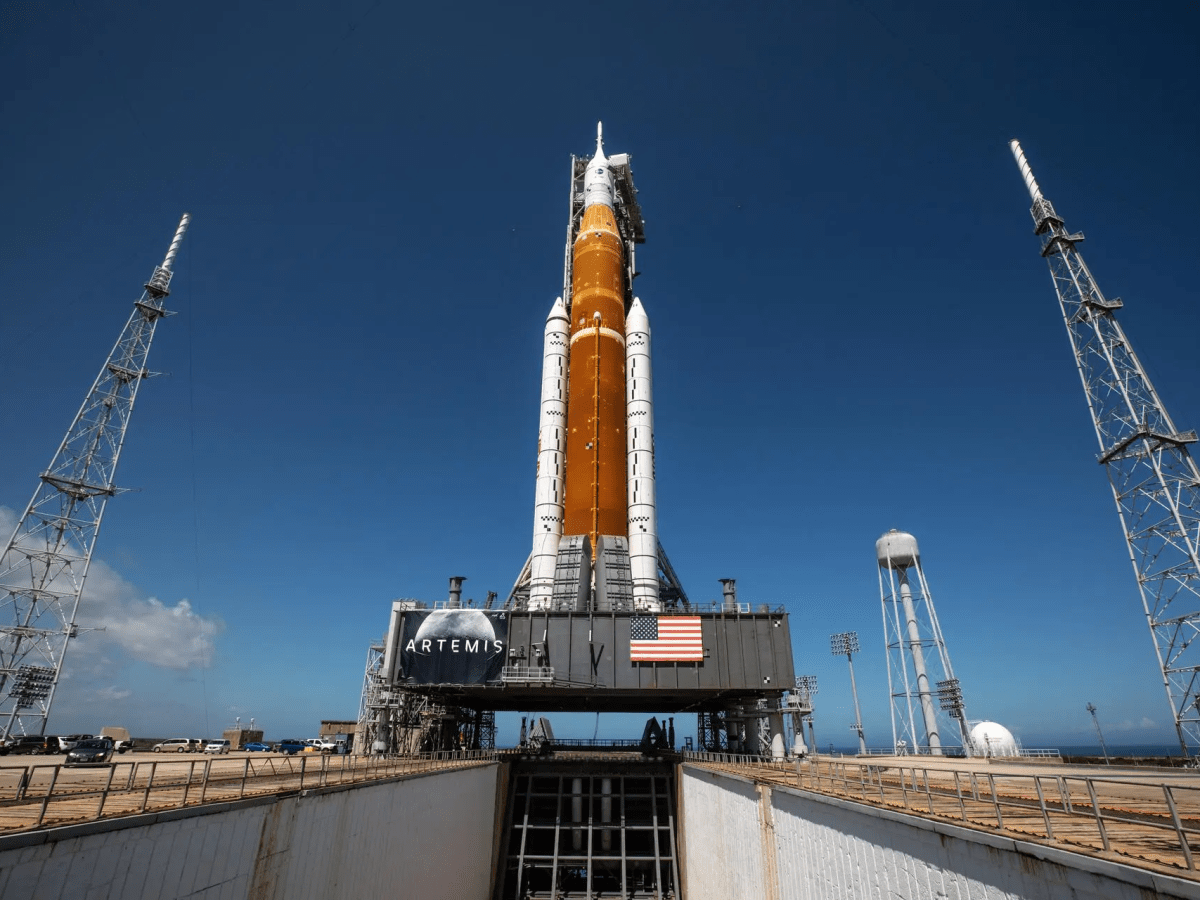
Artemis 2 Rolls to the Pad, Marking a High-Stakes Return to Crewed Lunar Flight
NASA successfully rolled the Artemis 2 Space Launch System rocket to Launch Pad 39B, marking a pivotal step for the U.S.’s first crewed mission beyond low Earth orbit in over 50 years. The mission aims to validate crucial systems before future lunar landings and reassert U.S. leadership in human spaceflight amid rising global competition.

Navy and Marines Bet on Robotics to Keep Bomb Technicians Out of Harm’s Way
The U.S. military, through a Department of Defense contract with L3Harris Technologies, is set to receive 34 T7 Multi-Mission Robotic Systems by 2026. These advanced robots enhance explosive ordnance disposal capabilities, minimizing risks to personnel while improving efficiency. The T7 features haptic feedback, allowing safer, precise operations for operators at a distance.

NSF Supercomputing Program Faces Scrutiny Over Alleged China Access Loophole
The U.S. supercomputing program ACCESS faces bipartisan scrutiny over potential security risks, allowing Chinese military-linked institutions remote access to high-performance computing resources. Lawmakers are concerned it undermines U.S. export controls by enabling sensitive research without physical access to restricted technology. Calls for stricter oversight highlight concerns over national security amid technological competition with China.

Pentagon Moves to Deploy Elon Musk’s Grok AI Across Military Networks
The U.S. Department of Defense plans to integrate Grok, an AI system from Elon Musk’s xAI, into its networks, joining Google’s Gemini. Defense Secretary Pete Hegseth emphasized rapid deployment and reduced bureaucracy to maintain military AI dominance. Despite past controversies surrounding Grok, officials assert its secure application in classified settings is necessary for national security.

U.S. Army Unveils First M1E3 Abrams Prototype, Signaling a New Era for Armored Warfare
The U.S. Army has unveiled its first M1E3 Abrams prototype, marking a significant step in armored modernization. This redesign focuses on advanced technology integration, enhanced mobility, and increased lethality for modern warfare. Testing begins in early 2026, with an operational rollout anticipated in the early 2030s, emphasizing adaptability for future combat scenarios.

Chinese-Linked Hackers Breach Congressional Email Systems, Exposing Persistent Cybersecurity Gaps
Chinese state-linked hackers, associated with the Salt Typhoon campaign, breached email systems of U.S. House committees focused on national security and China policy, highlighting vulnerabilities in congressional cybersecurity. Although China denies involvement, the breach raises concerns over U.S. cybersecurity preparedness and the aggressive foreign cyber operations targeting key governmental functions.
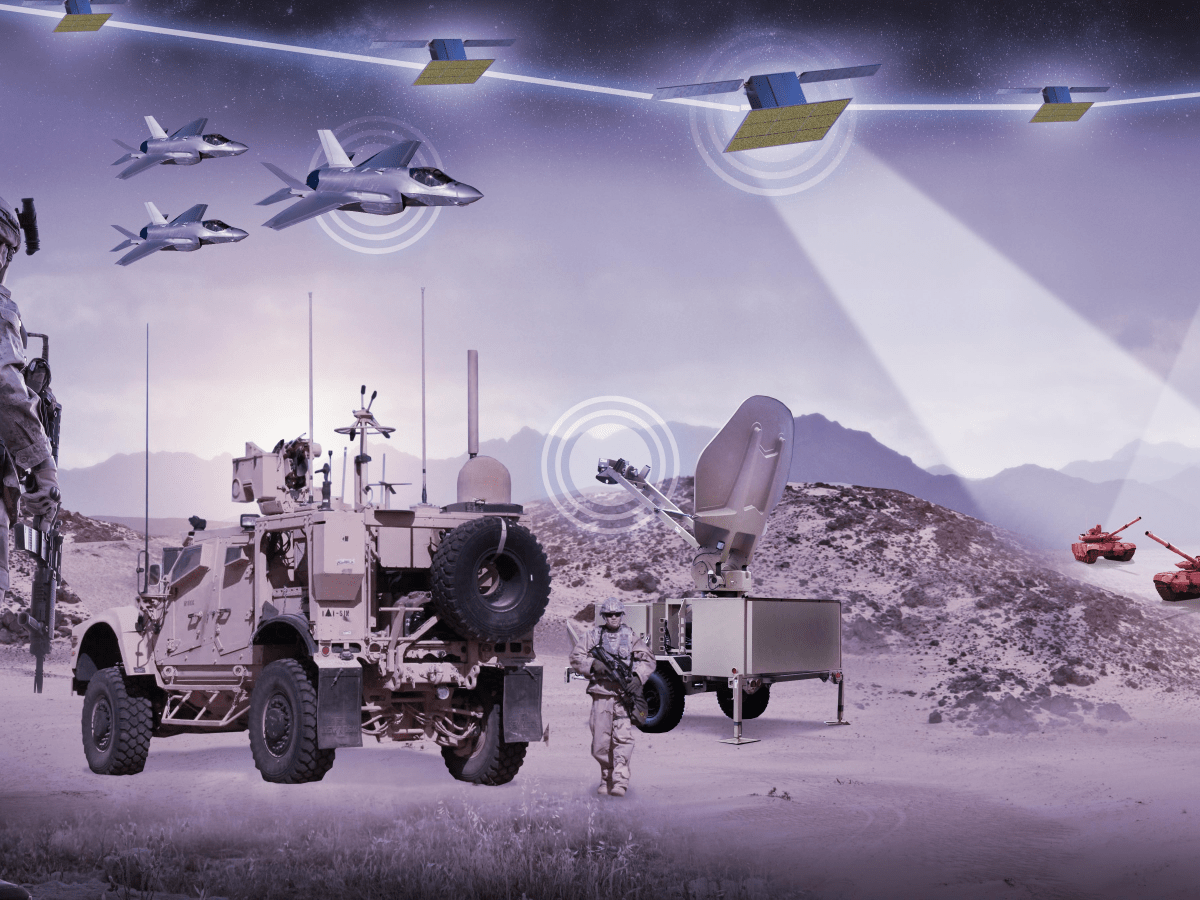
How Cyber Warfare Paved the Way for Maduro’s Capture
The U.S. military’s capture of Venezuelan President Nicolás Maduro was not just a special forces raid—it was a demonstration of how cyber warfare, electronic warfare, and space-based intelligence now shape modern combat. Operation Absolute Resolve offers a rare glimpse into how digital dominance can decide conflicts before the first shot is fired.

Army Creates New AI Officer Corps as Warfare Enters the Algorithmic Age
The U.S. Army is establishing a new officer career path, Functional Area 49B, focused on artificial intelligence and machine learning. This initiative aims to integrate AI expertise into operational units, enhancing decision-making and logistics. The Army emphasizes that this approach prioritizes human judgment while addressing national security challenges posed by near-peer competitors.

