Infrastructure
- Cloud & Data Centers
- Broadband & Fiber
- Energy & Grid Tech
- Smart Cities
- Physical & Digital Backbone

NIST Review Raises Red Flags About the Future of the CVE and NVD Systems
A recent internal review by NIST has revealed that the federal infrastructure for tracking software vulnerabilities is increasingly overwhelmed and unable to keep pace with modern cybersecurity threats. Staffing shortages and process bottlenecks lead to a backlog of vulnerabilities. The findings raise significant concerns for enterprises relying on timely vulnerability analysis for risk management.


Wikipedia Turns 25 — and Strikes Major AI Deals With Big Tech
On January 15, 2026, Wikipedia celebrated its 25th anniversary by announcing AI-focused partnerships with major tech companies, including Microsoft and Amazon. These agreements aim to provide structured access to Wikipedia for AI developers while addressing rising infrastructure costs. The core experience remains free for users, marking a shift toward monetization and sustainability in the AI…

AI Takes Over Baltimore Parking — Convenience Wins, but Questions Follow
Artificial intelligence is revolutionizing parking in Baltimore through Metropolis, which has replaced traditional methods with an automated, ticketless system using AI-powered cameras. Operating in nearly 100 locations, it enables seamless vehicle recognition and billing. However, concerns about automation, privacy, and previous billing errors remain as the company expands.
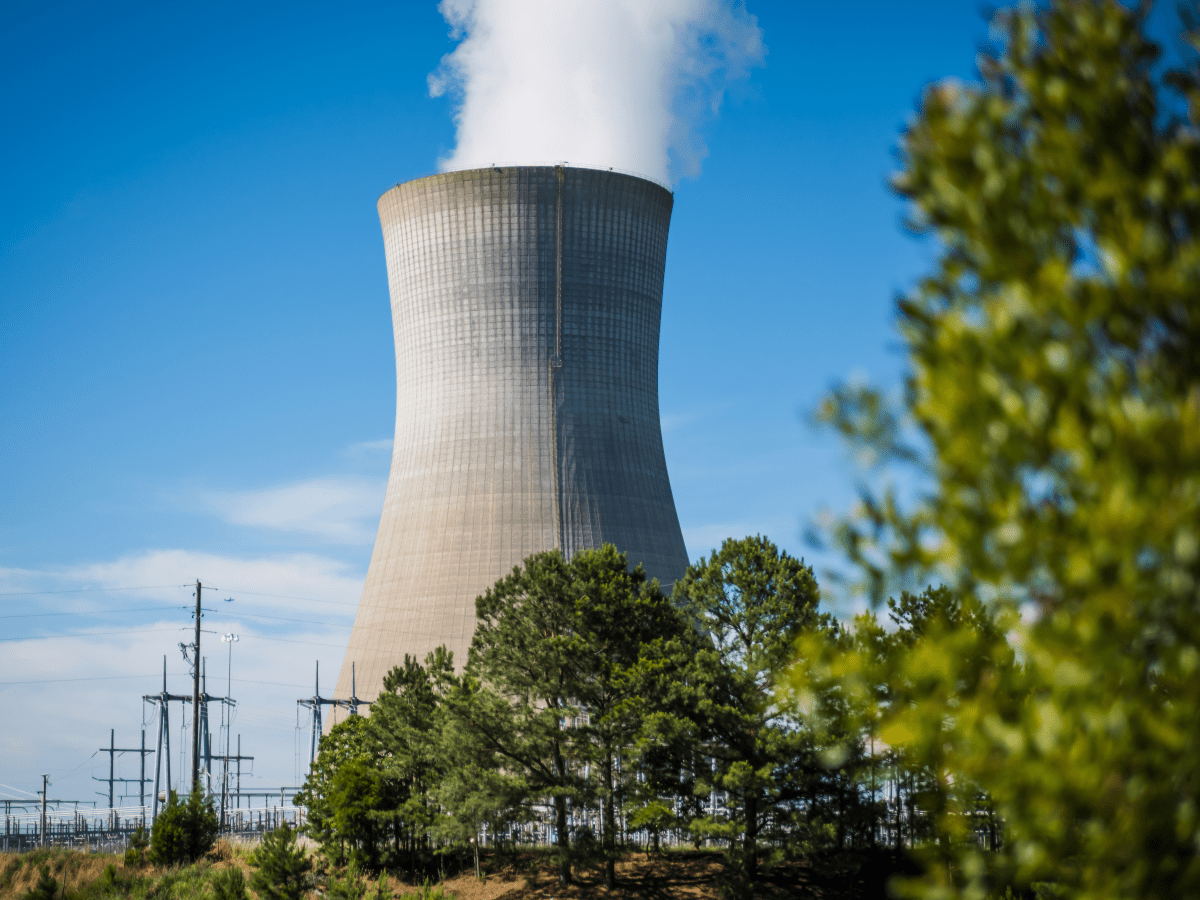
Meta Goes Nuclear: Big Tech’s AI Boom Sparks a New Atomic Age
Meta Platforms announced significant nuclear power agreements to support its AI infrastructure, particularly the Prometheus AI supercluster in Ohio. By securing up to 6.6 gigawatts of carbon-free electricity, Meta aims to meet the growing energy demands of AI while stabilizing regional grids and reinforcing its position in the AI arms race.
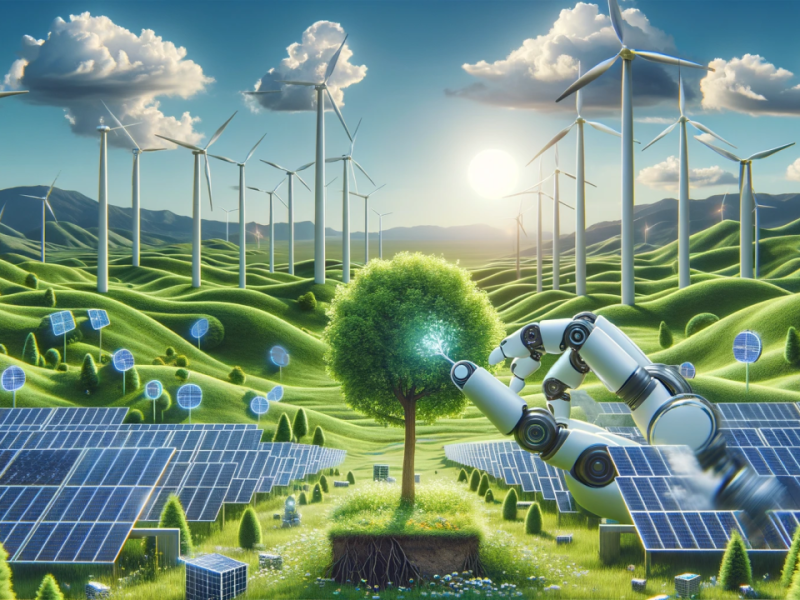
AI Meets Agriculture: Maryland-Based Okovate Acquires Stanford–CMU Agrivoltaics Tech
A Maryland clean energy company, Okovate Sustainable Energy, has acquired Fundusol’s AI-driven agrivoltaic modeling platform to optimize solar panel placement on farmland. This acquisition reflects a shift in climate technology towards using AI for improving land and energy efficiency, emphasizing productive integration of agriculture and renewable infrastructure.
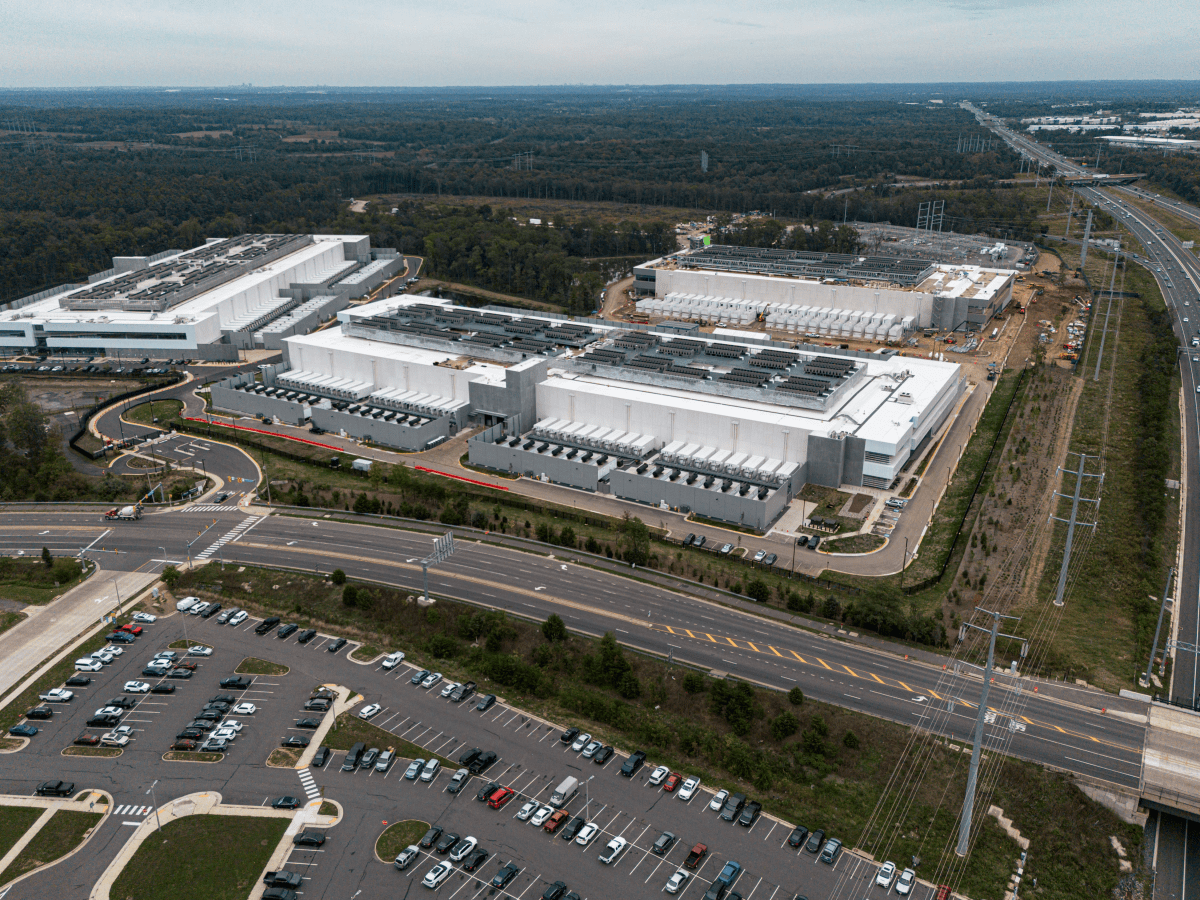
Maryland’s Data Center Moment: Growth, Grid Limits, and the Fight for Balance
Maryland is emerging as a secondary hub for data centers, hosting 39–45 facilities as of January 2026. Growth is driven by spillover demand and strategic incentives, especially in areas like Frederick County. However, concerns about grid strain and environmental impact have spurred legislative action to ensure balanced development while addressing power reliability challenges.

Illinois DHS Data Exposure Shows How Government Tech Fails Without Being “Hacked”
The Illinois Department of Human Services experienced a significant data exposure due to a misconfiguration on a third-party mapping platform, making sensitive internal maps publicly accessible for several years. The incident highlights serious governance issues in cloud technology, emphasizing the need for better oversight, auditing, and configuration management in public agencies to prevent similar occurrences.
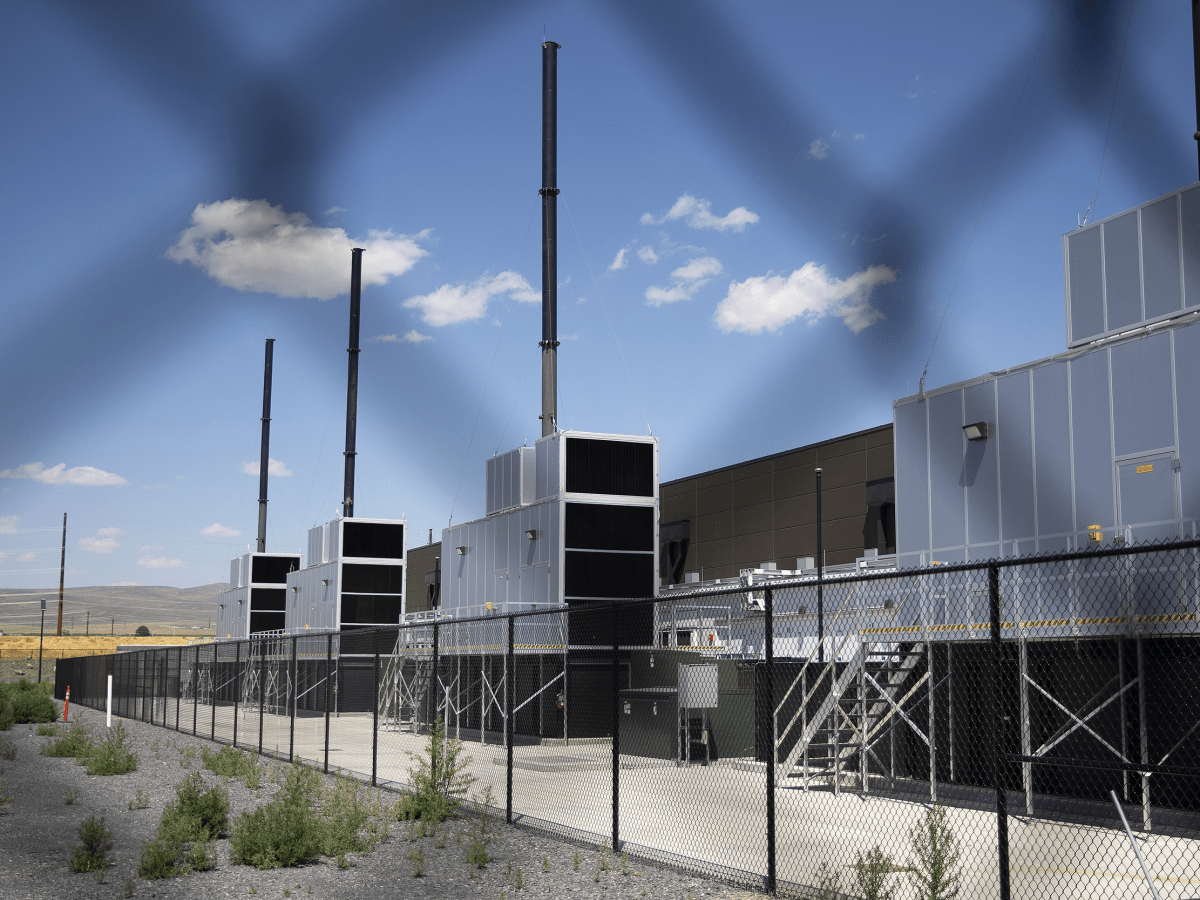
America’s Data Center Map in 2026: Where the Digital Backbone Is Really Being Built
As of early 2026, data centers are critical U.S. infrastructure, with Virginia and Texas leading in facilities. Growth is shifting to secondary markets due to power and regulatory constraints in primary hubs. States that enhance energy availability and streamline regulations will attract investments, marking a changing landscape in digital capacity development.

AI’s Hidden Price Tag: How the Data Center Boom Is Making Everyday Tech More Expensive
The ongoing artificial intelligence boom is causing semiconductor shortages, leading to significant price increases for consumer electronics, projected between 5% and 20% in 2026. Chipmakers prioritize high-margin AI components over consumer products, resulting in rising costs for households. As a consequence, average Americans face higher prices and utility bills linked to AI expansion.

The Quiet Tech Shift of 2026: Why Infrastructure, Not Apps, Is the Real Battleground
The true technology narrative of 2026 revolves around infrastructure rather than flashy consumer apps. As AI becomes industrial, a few firms dominate essential resources, leading to power concentration. Energy scarcity and semiconductor control raise critical questions, while the app economy struggles, highlighting a shift towards infrastructure ownership and increasing accountability concerns.
 Mike Phillips Tech