How systems break — and how they get fixed
Most organizations don’t have a technology problem.
They have a systems problem that technology is exposing.
This collection breaks down real-world scenarios where workflows stalled, AI underperformed, documentation failed, or tools created more confusion than clarity. Each case study focuses on what actually went wrong beneath the surface — and what it took to correct it.
These are not success stories in the traditional sense.
They are system analyses.
Inside each case:
- The problem as it appeared
- The underlying failure most teams missed
- The intervention that changed the outcome
- The broader pattern that applies beyond a single organization
The goal is simple: show how complex, messy systems can be understood, structured, and made to work.
If you’re dealing with:
- AI that isn’t delivering value
- Processes that don’t scale
- Documentation that no one trusts
- Too many tools and no cohesion
You’ll likely recognize the pattern before you finish reading.

The hidden cost of tribal knowledge in tech organizations
Tribal knowledge in organizations often remains undocumented, functioning effectively until a key individual leaves. This loss creates gaps that are difficult to measure, leading to errors and inefficiencies. As organizations grow, reliance on informal knowledge becomes riskier. Structured documentation can transform this liability into an accessible asset, minimizing disruption during transitions.

AI can’t save you from a disorganized system
Companies are investing in AI tools to enhance productivity, but many face disappointing results. The issue often lies not in the technology but in the organizations’ unstructured information and workflows. Successful adoption requires prioritizing clear documentation and standardized processes, as these foundational elements critically influence AI performance.
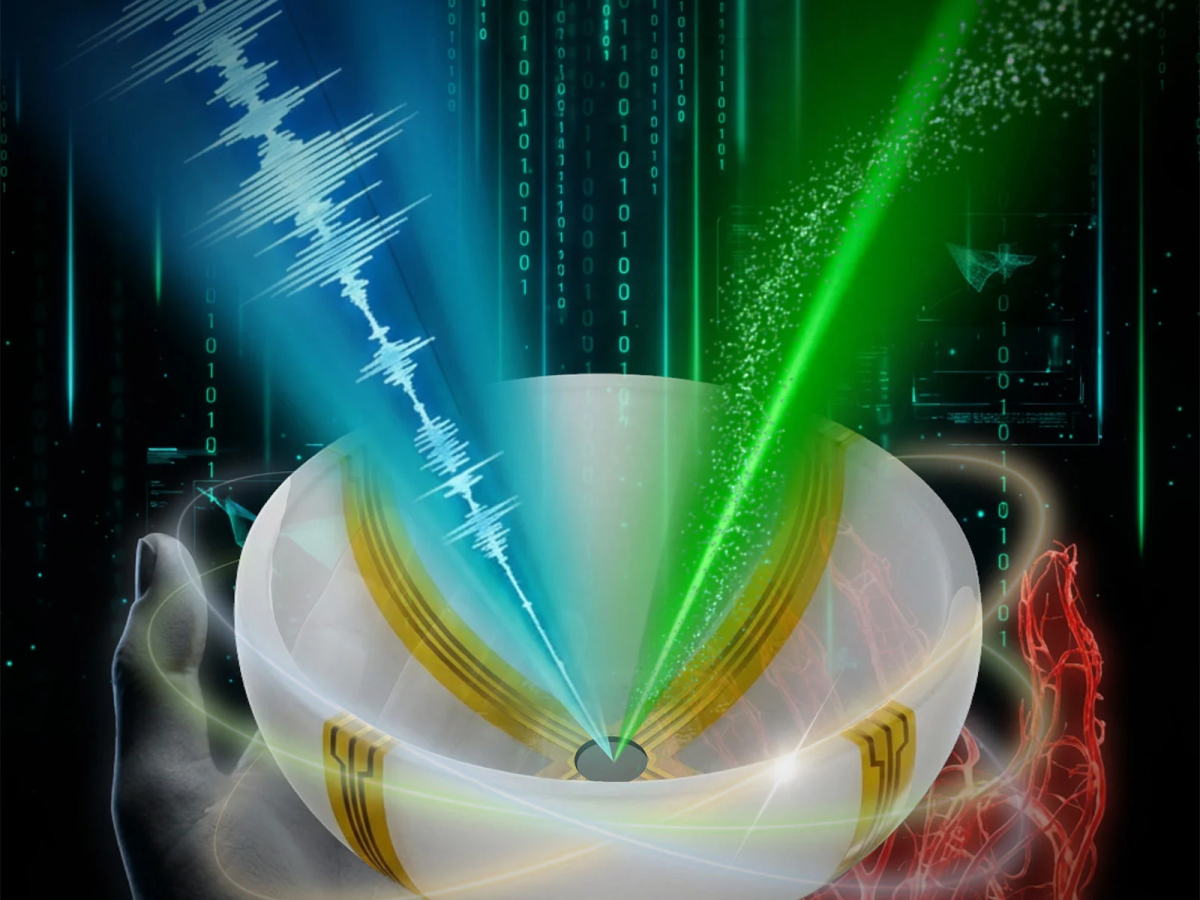
Seeing Beneath the Surface: New 3D Color Imaging Breakthrough Could Transform Medical Diagnostics
Scientists have developed a groundbreaking imaging technique that enables three-dimensional, full-color visualization of the human body, enhancing medical diagnostics and surgery. This technology captures depth and color data, offering insights into tissue composition and disease. With potential applications in cancer detection and surgical planning, it promises improved healthcare outcomes and efficiency.
 Mike Phillips Tech